
 admin
admin 
When watching modern-day golf on TV, it might be a bit difficult to track the sport’s history considering the loud and packed golf courses, the professional athletes, and the huge prize money. What might be disregarded is the fact that the American golf scenario includes historical ties and modern innovation.
The Scottish Roots
At the tail end of the 18th century, golf was still a budding sport and was being played in America due to the Scottish immigrants. They would easily set up clubs, for example, the South Carolina Golf Club in 1786, which was the first organized club in America.
Late 19th Century Golf Club Boom
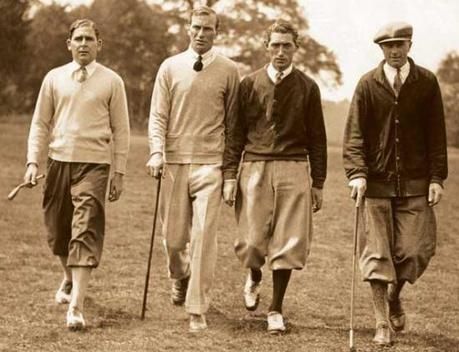
As much as golf was on the rise both culturally and economically, it was Reid who built the St. Andrews Golf Club in the year 1888. He was the first Reid and was dubbed as the Father of American Golf. It’s a notable fact that the first and most famous Reid club was established in New York, and within a couple of years, associates in American Oil and Chicago were building clubhouses in their respective cities.
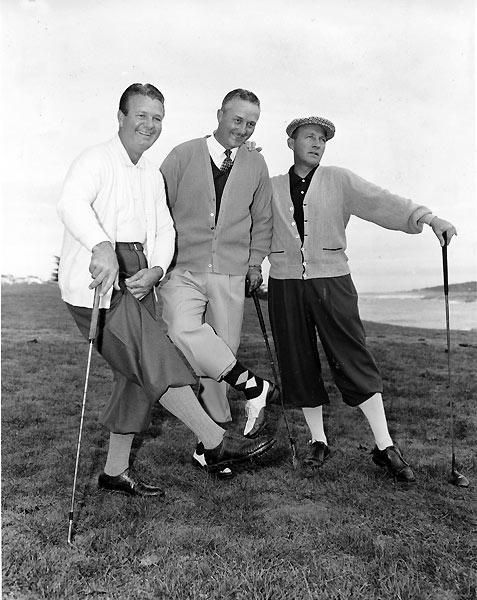
At roughly the same time, course architect Charles Blair Macdonald and his peers began crafting courses that seamlessly blended challenges with aesthetic appeal, thus establishing an American design style for courses.
Growth of Tournaments
As the number of participants began to rise, there was a need for a standardized set of rules. In 1894, the United States Golf Association (USGA) was founded, which helped in the organization of the game at the national level. In the same year, the inaugural U.S. Open tournament was also held.
Between the years 1894 and 1913, the sport was being practiced and enjoyed, but it was by no means popular. It was in 1913 that the sport really began to thrive, and that was largely attributable to Francis Ouimet. Francis, a 20-year-old man, managed to beat two very skilled British players in the U.S. Open, and in doing so captured the attention of the entire nation and popularized the sport.
The years that followed the Second World War were a time when America saw an economic boom, and golf began to spread out of upper-class circles and into middle-class families. The golf club became a favorite leisure spot for many families, and with the rise of television in the 1950s, golf became accessible to millions of people.
The very first golf player to become a superstar during the television era was Arnold Palmer. Thanks to his friendly disposition, people began to admire him, and tournaments began to receive a lot of attention. The ‘Big Three’ that was formed by him, Gary Player, and Jack Nicholas greatly popularized the sport, and tournaments became very large events.
The late 1990s was when the era of Tiger Woods began. He did not simply play the game; he revolutionized it.
Tiger’s incredible athleticism, intensity, and charisma completely transformed the image of golfers and the game itself. Not only did it increase the rate of participation and the television ratings, but it also added more youth and diversity to the game.
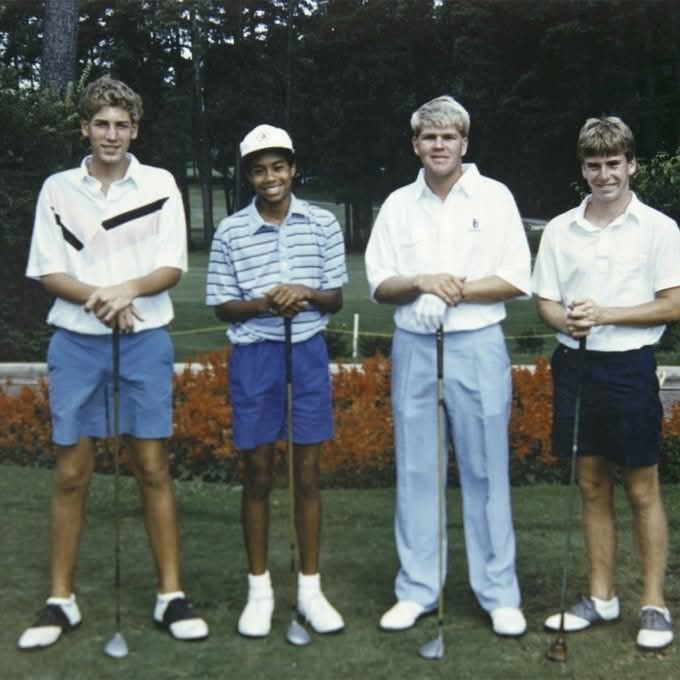
This new phenomenon added more junior golf programs and reshaped the country’s culture regarding the game.
In the 21st century, golf manages to balance the old and the new, with the old clubs still considered historical monuments, while the new technology, like swing simulators, reshapes how golfers practice.
Along with this, the game has also broadened. With the First Tee program, many underprivileged children were introduced to golf. During the COVID-19 pandemic, golf regained its popularity as outdoor activities were a source of survival. This sport not only welcomed back old golfers but also millions of new ones.
The professional level of the sport is also constantly evolving. People follow the sport to listen to the new stories, whether it is the LIV and PGA tours merging or the blossoming talents that keep the tournaments interesting.
The Journey Continues.
Starting with the tattered 18th-century games in Charleston and ending with Tiger Woods at the top of his game, golf in the United States has evolved in parallel to almost every aspect of the country. Traditions boosted with new innovations, new opportunities out of exclusivity, and reinventing things with passion.
Currently, more than 25 million people play golf every year in the United States. Some aim for lower scores, while others are in it for the peace and the social aspect. Regardless of the intention behind hitting the links, every player in one way or another participates in the long-standing history of golf in the United States. A history that expands and continues to grow with each new golf hole.