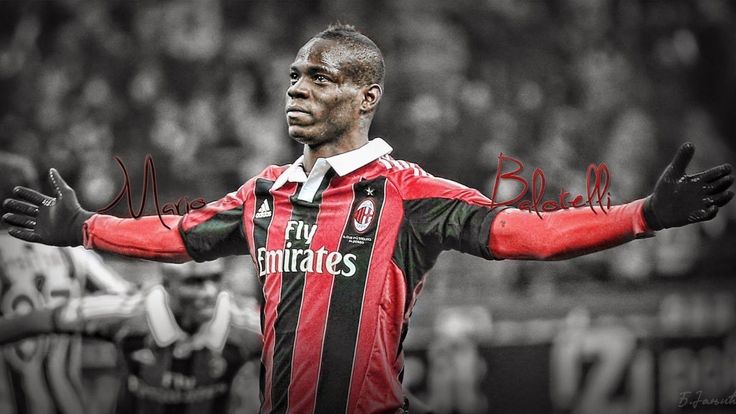
What Effects Have Endorsements and Sponsorships Had on the Income of Top-Tier Football Players?
 admin
admin 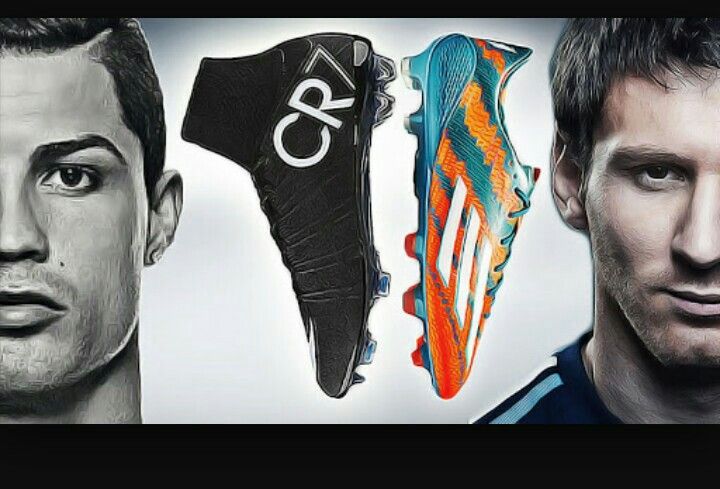
The Trends of Change in Players’ Income in Football
The past thirty years have witnessed radical transformations in the earnings of elite-level football players, largely driven by the skyrocketing wages at football clubs and the ever-expanding endorsement and sponsorship opportunities available. Players are now earning money from their personal brands, which, in addition to the money they are earning from the clubs, allows them to multiply their earnings. The personal brands of these players now have global recognition, which rivals some of the oldest operating football clubs in the world.
Club Salaries vs. Off-The-Field Earnings
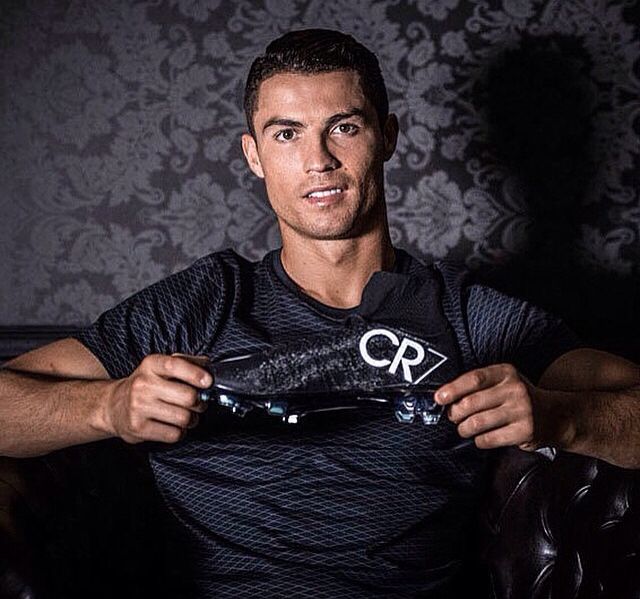
In the past, the only source of income that professional footballers had was their wages from the clubs they played for. Now, sponsorship and endorsement deals have added additional sources of income and, in some cases, completely dethroned the base earnings of these contracts. The increasingly marketable players are able to sign sponsorship deals, which combined, exceed the value of their salaries. For instance, the financial growth of Cristiano Ronaldo and Lionel Messi showcases multi-hundred-million-euro earning models where the money earned as ambassadors and through licensing is greater than the remunerations offered by the top-tier clubs. Here, their on-field commodification is viewed as just a controlled entry point into a much larger financial conquest.
The Impact of Social Media on Personal Branding
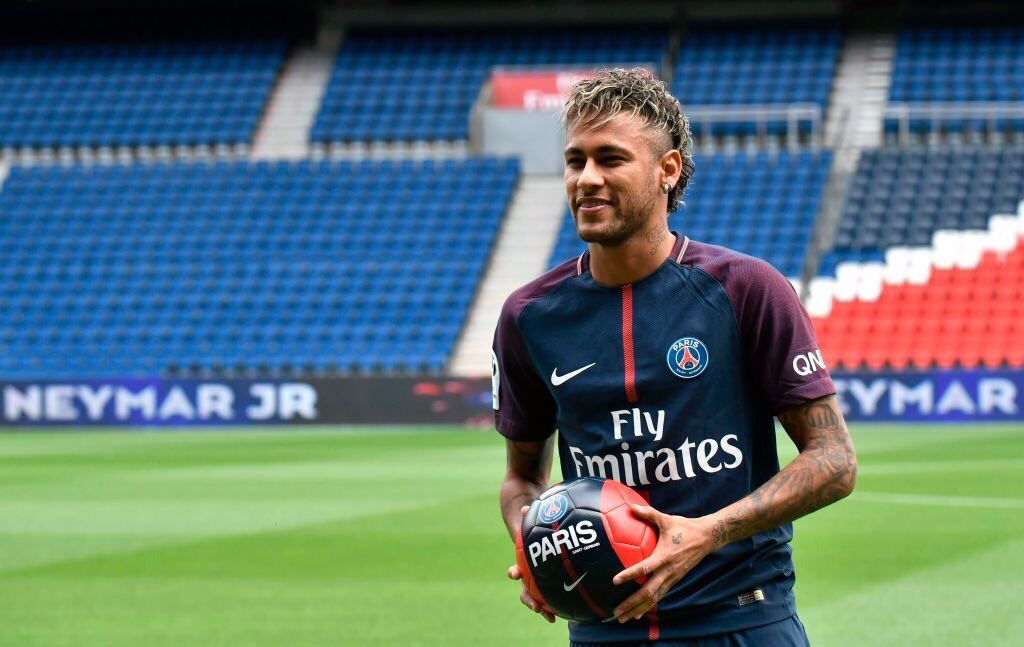
The scope of an athlete’s profession is no longer limited to the sports field, with social media platforms gaining equal importance. Instagram and TikTok, for example, allow athletes to shape and share a unique self-story with the entire world. Neymar Jr. and Virat Kohli, for example, manage to convert social capital to monetary capital, forcing brands to consider an athlete’s follower number to the same extent as previously done on achievements and metrics. These social dynamics have given birth to the ‘influencer athlete’ phenomenon, which has opened up revenue streams beyond standard sponsorships like merch, bespoke content, and virtual hangouts.
Sponsorship Referrals: From Footwear to Lifestyle Brands
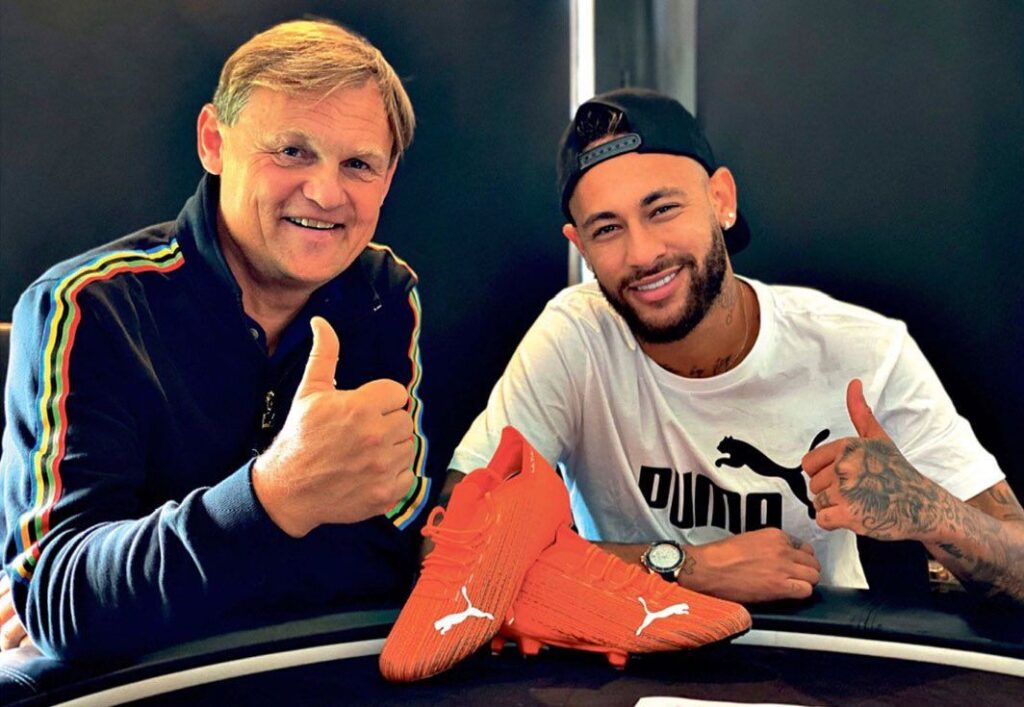
The sponsorship portfolio for a premier footballer has also evolved to include assets that go far beyond the traditional team kit and equipment sponsorships. Players’ visages, in multi-brand collaborations, are effortlessly paired with high-end watches, luxury cars, and tech brands, along with the traditional cleats and training boosters. This level of sponsorship allows every athlete to construct a much more complex brand narrative, as the sponsorship deals offer several brand touchpoints for different consumer demographics.
It is no longer the case that earnings are only derived from the number of matches played or the trophies won. Earnings are now influenced by how much value the athlete is able to generate from different aspects of their personal brand.
Case Studies: Success Stories
Endorsements have accelerated financial gains to an unprecedented level, which is illustrated by the case of Cristiano Ronaldo, whose career earnings from the partnership with Nike have been claimed to exceed $1 billion. This suggests how powerful an equity stake in a worldwide brand can be. Lionel Messi showcases similar equity growth in his portfolio. He earns an estimated nine figures yearly, with an ambassador partnership with Adidas being a substantial part of his income. The optics and predictive analysis in both situations suggest the same market trend of ever-growing financial metrics. This cements the status of endorsements as critical parts in the economic structure of modern football.
Challenges and Criticism
Sponsorship contracts always improve the range of revenue streams, yet they also create serious internal and external conflicts. Players engaged in self-reflection and introspection are a necessity, as trivial personal controversies can bring lucrative and time-sensitive contracts to a halt. Competing multimedia self-presentation obligations are constructed and no longer geographically confined; instead, they are obsessively archived. Moreover, access to high-value partnerships is conditional, and uneven access risks consolidating capture and income hierarchies, distorting meritocratic claims that the sport professes, and reckoning its unpredictability.
The Future of Player Earnings
Projected earnings will consolidate and intensify. The continuous commercialization of each discretionary and normative fringe within football, and what are still unimagined algorithmic forms of advertising, will sharpen exponential earning curves. Adolescent and early-career recruits, classed and socialized in hyper-saturated digital contexts, are rapidly and deliberately crafting portfolio-centered personas instead of linear and monologic athletic scripts. First, on-field and competitive glory will no longer simply be meritocratic, as initial layers of supplement will compete on meritocratic rather than charitable terms. This will shift future available cohorts toward a looming promotional arms race that is obligatory and compulsory before, during, and post-match spectacles.
In conclusion, the importance of non-salary remuneration in modern football is an ever-present factor in investments, employee turnover, and even legislation drafted in the name of the sport. An understanding of the modes of co-branding, footprint size, and extragressive drive strategy will therefore continue to constitute an important element of thinking and belonging for current and future professionals who will have to analyze the tightly meshed micro and reference markets of football.