 admin
admin 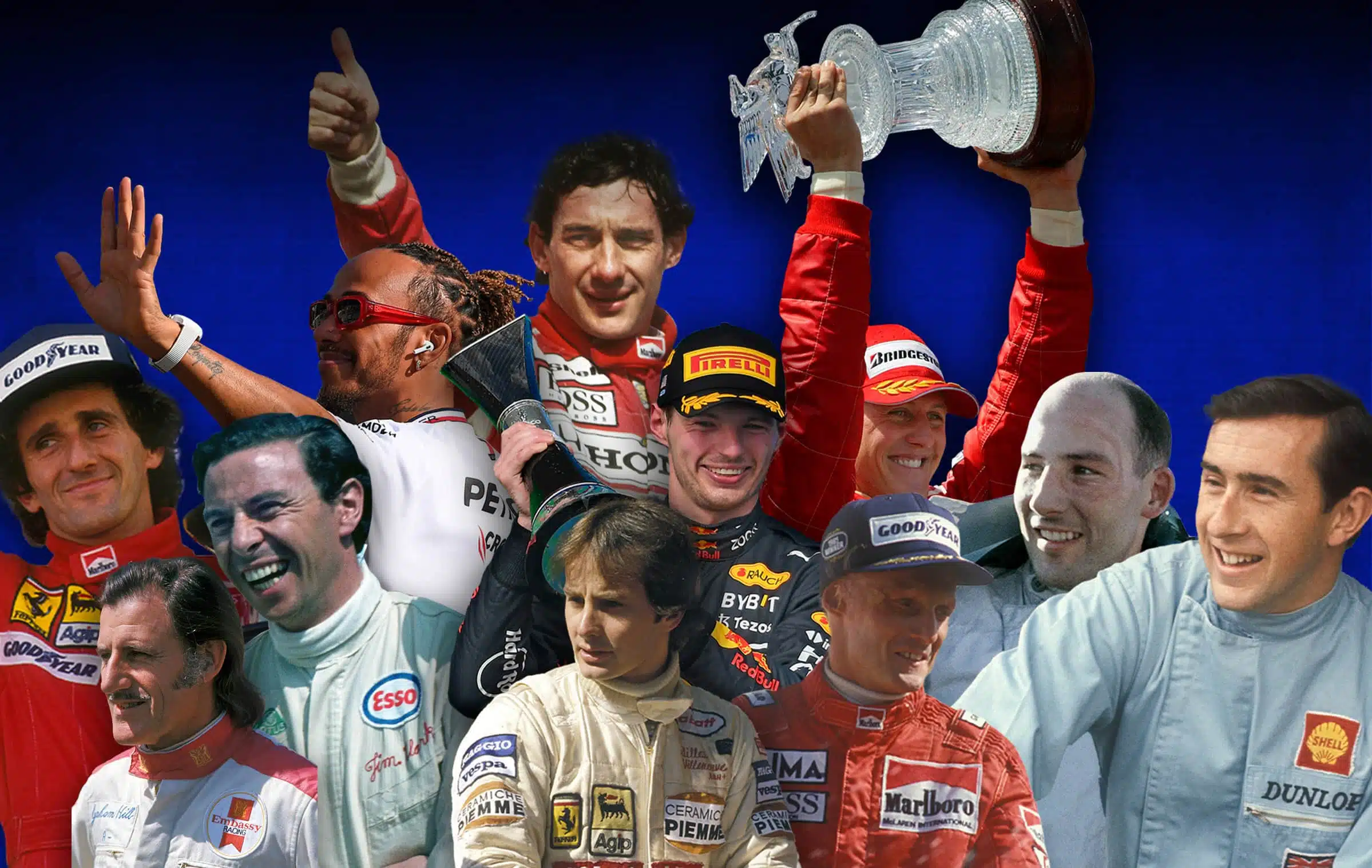
Not many sports are as riveting as Formula 1. The beauty of the machines in motion, as they are roaring engines, the precision of the dynamics, and the split-second timing are all marvelous and demonstrate the excellence of humans and machines alike. However, the heart of the sport lies in the audacity of the fearless and ingenious. It takes great skill and control to sit in a race car worth millions and go 200 miles an hour while balancing physics, tactics, and a strong mental attitude.
The greats are not only able to check their lap times, but they are also able to control entire seasons and teams. They change the narrative of a complete sport and have the ability to stir emotions in entire generations. The following five racers have managed to not just succeed but create a legacy in F1.
1. Michael Schumacher—The Architect of Dominance
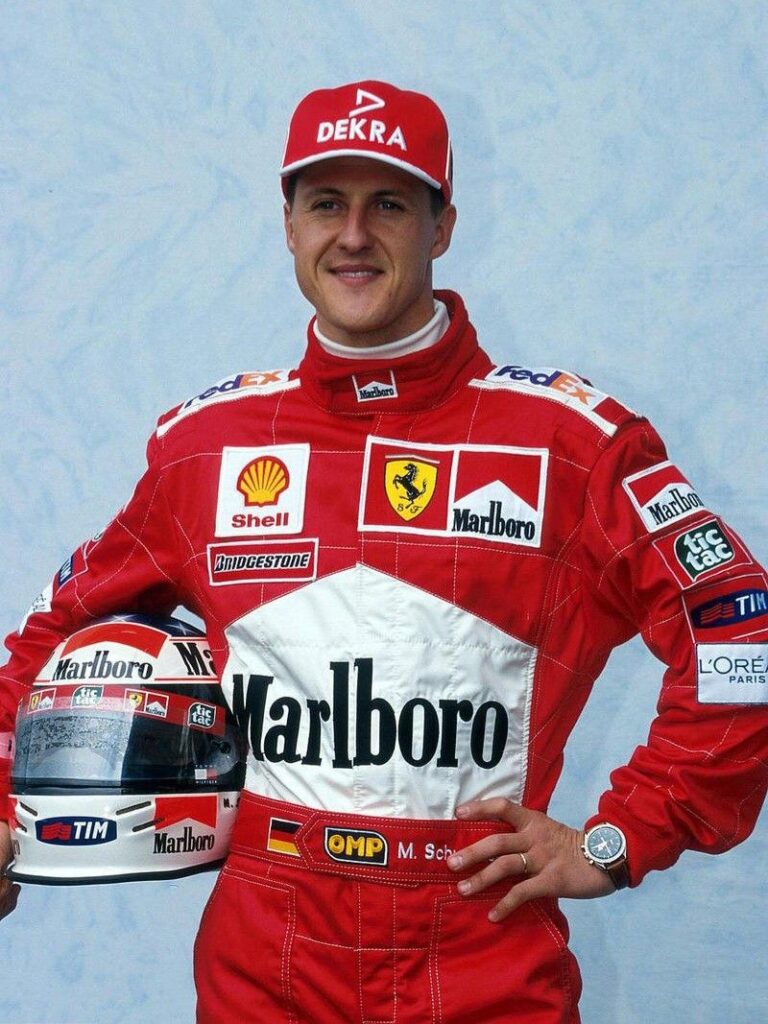
The 90s and 2000s were the 2 timelines in which Michael gained the reputation of being the most dominant in Formula 1. It is a staggering reputation to be associated with 7 World Championships and 91 wins. Not to mention winning 5 consecutive titles with Ferrari.
But what speculation shows bears no relation to the sheer magnitude of Schumacher’s influence. What differentiated him the most was his cult appreciation of the smallest bit of minutiae. He was as much an obsessive perfectionist when it came to the development of his team as he was domineering. Schumacher was no ordinary driver who came to the circuit only on Sundays. He was a passionate cog in an engineering machine, attending meetings and urging mechanics to engineering perfection. Because of him, Ferrari changed almost overnight from an insentient behemoth into a supergiant, as his shadow was a symbol of unwavering head demand.
When it came to the track, he was no softer than a father’s caress, and even in some cases, right on the border of scandalous. Everyone remembers Jerez 1997, when he tried to squeeze Jacques Villeneuve out of the title and almost killed him. Controversial is what some might say, but ordinary is something no one will ever dare say. Put simply: Schumacher didn’t just race; he changed the very culture of racing and constructor attitude to victories in Formula 1.
2. Lewis Hamilton—The Modern Maestro
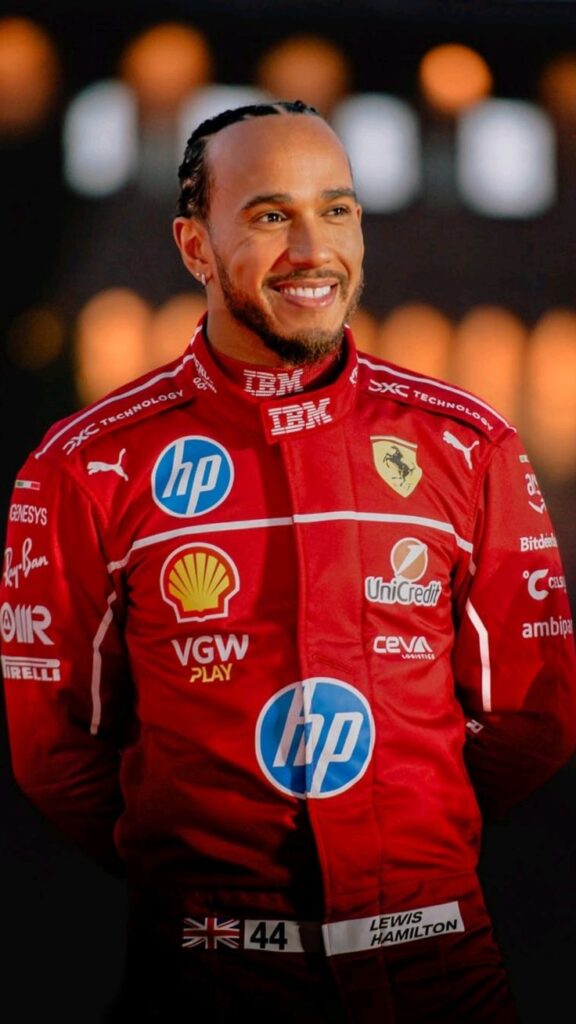
If mismatch domination was what Schumacher was, then Lewis Hamilton is the light, modern jazz—a blend of bold, untamed flair, unbroken unwavering dedication, and relentless flexibility to the ever-changing currents and rhythms of F1. As with 7 World Championships and over 100 races won, Hamilton’s trophy case, in all probability, is big enough to be designated its own postal code.
From the onset of the sport in 2007, Hamilton went all out by astonishingly beating the time set by former world champion Fernando Alonso in his rookie year, coming so close to the title. He has managed to survive changes in how tech, tire warfare, and 4 generations of F1 all while staying at the top. What else can one expect him to do at the nick of time?
The precise and timely courageous Hamilton can be termed a masterclass in racecraft expertise by most, as he has singlehandedly broken records in dominating races. His pole positions per track and stunning wet weather performances prove time and again how he channels pure savagery on the track at will. He has risen to savagery in transcendent moments of speed almost as if it were a gift.
Hamilton has also become the sport’s cultural lightning rod. He is the first Black man to attain success in the world of motorsports as a driver. But whatever he has achieved in his life has transcended above him being a mere driver.
3. Ayrton Senna—The Artist at Speed
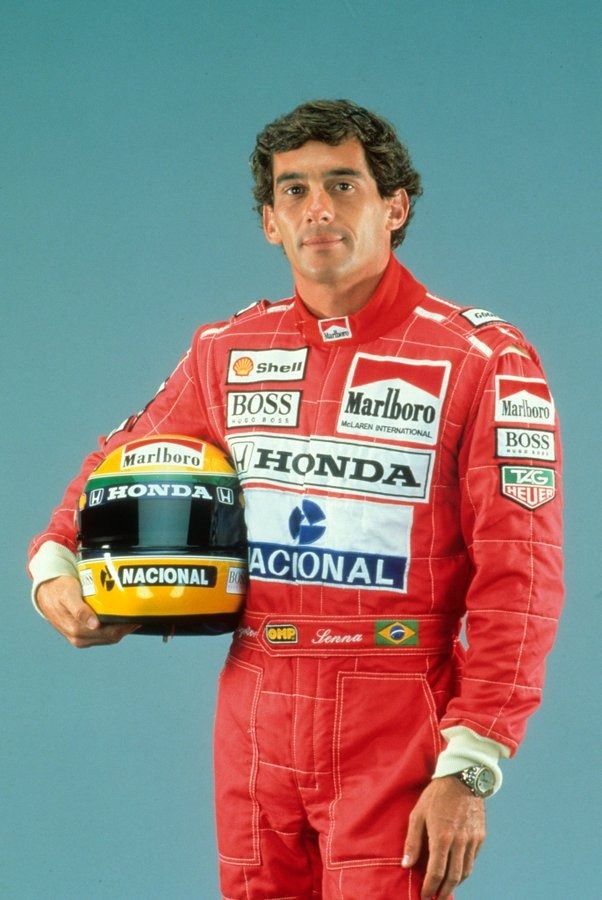
Advanced talks on the subject of Ayrton Senna seem like a make-believe world. In all his 65 poles, Ayrton was the first to drive in 3 different world champion cars. The aggressive techniques used to qualify were believed to be a sport of gladiators. Some of the speed records captured in history were achieved by him.
Senna’s style was as uncompromising as the rest of his character. Watching him wrestle a McLaren Honda around Monaco was like the blur of a fantastic neoclassical pianist; the car twitched, the margins vanished, but the lap never unraveled. His performances in the rain, especially the remarkable one at Donington in 1993, set the world standard for determining what it means to stand with one foot on the edge of a cliff.
Even with that speed, it was the aura about him that was most compelling. A kind of spirituality lay in the way he devoted himself to his calling; the racer himself claimed that to him, drawing a lap meant touching the divine. It was that same quality that made the fight with Alain Prost utterly magnetic, as one person labelled it, the fire against the ice, emotion against calculation. Even as he perished so tragically at Imola in 1994, it was this virtue that made him a legend gone too soon, and for so many, this virtue just as easily. Young racers to this day make their first lapping of the circuit, promising to their peers that they were about to motocrossthe spells of the Holy Senna.
4. Juan Manuel Fangio—The Godfather of Formula 1
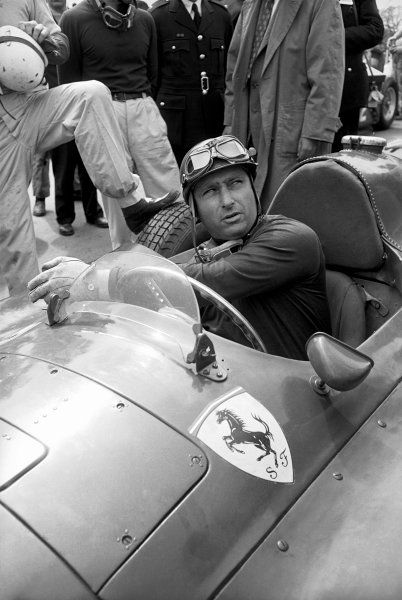
Now we’re in the 1950s, and we have to understand the greatness of this man in a world where no one knew what greatness even was. Juan Manuel Fangio won five world championships, which no one else managed to do for nearly 50 years. And he won it in one of the hardest manners. He won it driving four different teams and customized to the bizarre characteristics of each car literally within a second.
Let’s add some nuance—Fangio’s vehicles were devoid of power steering and safety mechanisms and were closer to barely tamed lions than machines. Buggs was a ruthless stretch where the only thing that one could see was patches of tarmac with trees and ditches. Even in this scenario, Fangio thrived; out of the 52 races he started, he won 24 of them, which is a rate that nearly defies reality.
If we have to choose the most notable one for Fangio’s career, it would be the 1957 German Grand Prix, where, due to a misplaced pit stop, he started nearly a minute behind the race. Fangio, it seems, started recording time after time as he was on a time trial and was racing against two former champions. A display of over-the-top skill, it was a sight in which it seemed like race pace had been calculated by a chess grandmaster, minus three moves ahead.
5. Alain Prost—The Professor
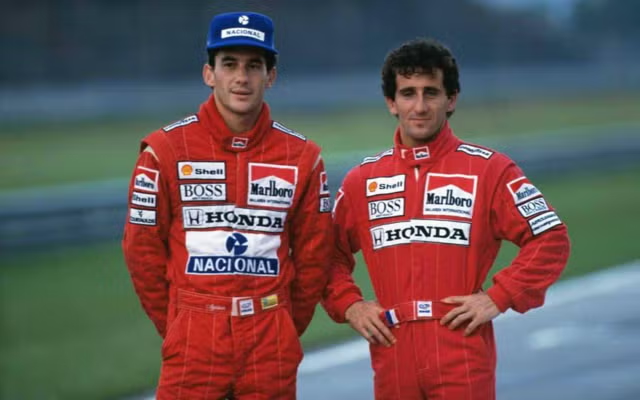
On the other side of the word ‘passion’ is Alain Prost, affectionately referred to as ‘The Professor’ owing to the cold and calculated tokens of racing. Alain Prost’s record of garnering 4 World Championships as well as 51 career victories is notable, as he won all this without so much as throwing a firework show.
Prost understood that trophies and fame do not come from speed alone. Timing and prominence earned him trophies. He often held the record with the slowest lap time, which was not a cautionary tactic but a tactical form of genius.
Without a doubt Prost’s legacy is intertwined with Senna’s. One’s emotional look and the other’s calculated strategy put fire to the cold. Both pushed for greatness because of how fierce the rivalry was that was only witnessed by a few. Of all the mentioned records, this rivalry is arguably the one with the most outrageous monuments.
In Formula 1, greatness takes different forms. Fangio was graceful in the way he was able to tame the primitive beasts of machinery. Senna was the uncompromising artist and possessed mastery of an engine, chasing perfection at any cost. Prost showed how strategy and intellect can win alongside raw talent. Excellence was factory produced and stamped with Schumi’s name in return for an era of dominance, and Hamilton tied the past with the future through relentless speed and insatiable cultural impact.
To compare them is as silly as trying to debate whether a lightning storm is more powerful than a sunrise or a symphony. But as a whole, they serve as a reminder that Formula 1 is broader than a sport. It is an arena of untold human achievement, with speed, courage, and resourcefulness constantly pushing the boundaries.